Real estate leads have the shortest useful lifespan of almost any category. Someone browsing listings at 10pm is deciding, in that session, which agent to contact — and if the enquiry sits unanswered until morning, they have usually already spoken to someone else.
The problem is structural, not a failure of effort. You cannot answer a website enquiry while you are at a showing, in a closing, or driving between the two. An AI agent covers exactly those hours, and hands you leads that are already qualified rather than a list of names to chase.
Speed to lead is the entire game
The gap between enquiry and first response predicts conversion more reliably than almost anything else an agent controls. A buyer who gets a substantive answer in seconds is still in the conversation. One who gets a callback the next afternoon has moved on, because four other agents were also in their inbox.
This is not solved by faster typing. It is solved by something that answers the moment the enquiry lands, knows the listing being asked about, and can do something useful with the conversation — which usually means getting a viewing on the calendar before the buyer's attention moves elsewhere.
Separating buyers, sellers and browsers
The three enquiry types that arrive through a real estate site want completely different things, and treating them identically wastes your time on the ones that were never going to transact.
Because the agent asks rather than presenting a generic form, it can work out which conversation it is having and respond accordingly:
- Buyers get asked about timeline, budget range, financing status, whether they are working with an agent, and what they are actually looking for — the same qualification you would do on a first call.
- Sellers asking what their property is worth get routed toward a valuation conversation with you rather than an automated number, because an automated number is how you lose a listing appointment.
- Renters and browsers get their questions answered without consuming your day, and are not passed through as hot leads.
- Anyone already under contract with another agent is identified early, which saves an awkward conversation later.
Answering questions about specific listings
Most property enquiries are variations on a small set: is it still available, how many bedrooms, what are the taxes and HOA fees, what school district, when was it built, is there parking, are pets allowed, when is the next open house.
Every one of those answers exists on your listing pages. That is what the agent trains on when you paste your site URL, so it answers from your own published detail rather than improvising. When a question genuinely needs you — negotiating position, whether an offer would be entertained, anything requiring judgement about the seller — it hands over rather than guessing.
Booking showings without the phone tag
Scheduling a viewing traditionally takes three or four exchanges: they ask, you propose times, they counter, you confirm. Each round trip is an opportunity for the buyer to lose interest or book with someone faster.
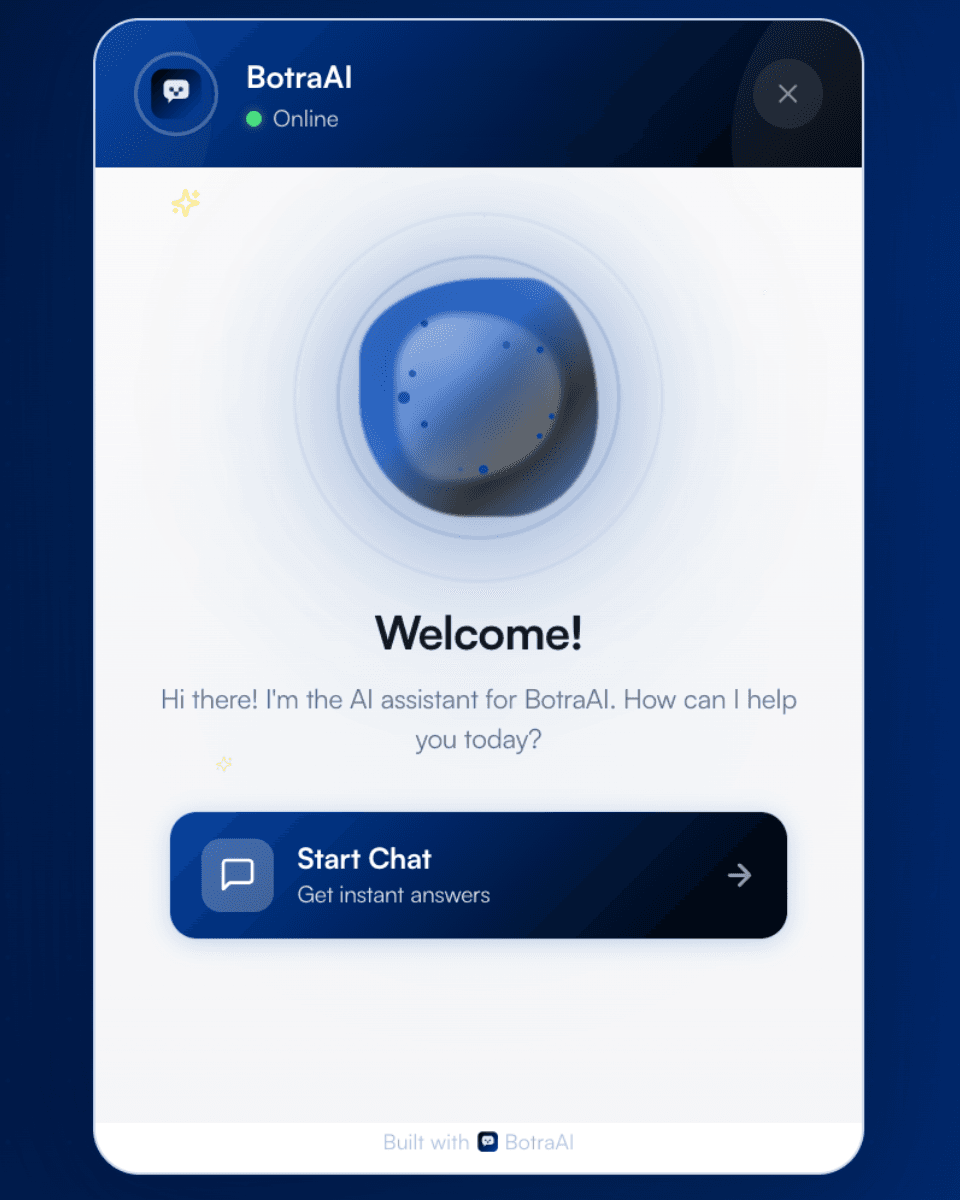
An agent that can see your real availability collapses that into one conversation. The buyer picks a time that actually works, it lands on the calendar you already use, and both sides get a confirmation. The lead arrives on your phone as a booked appointment with the qualification already attached.
The leads you are currently losing
Worth being specific about where the losses actually occur, because it is rarely the enquiries you know about. It is the 11pm Zillow-adjacent browse that never converted into a form fill. The Saturday enquiry that arrived while you were running an open house. The buyer who asked one question, got nothing back for six hours, and started a conversation with a different brokerage instead.
None of those show up as a lost lead in your CRM, because they never became a lead at all. That is the volume an always-on agent recovers.
What setup involves
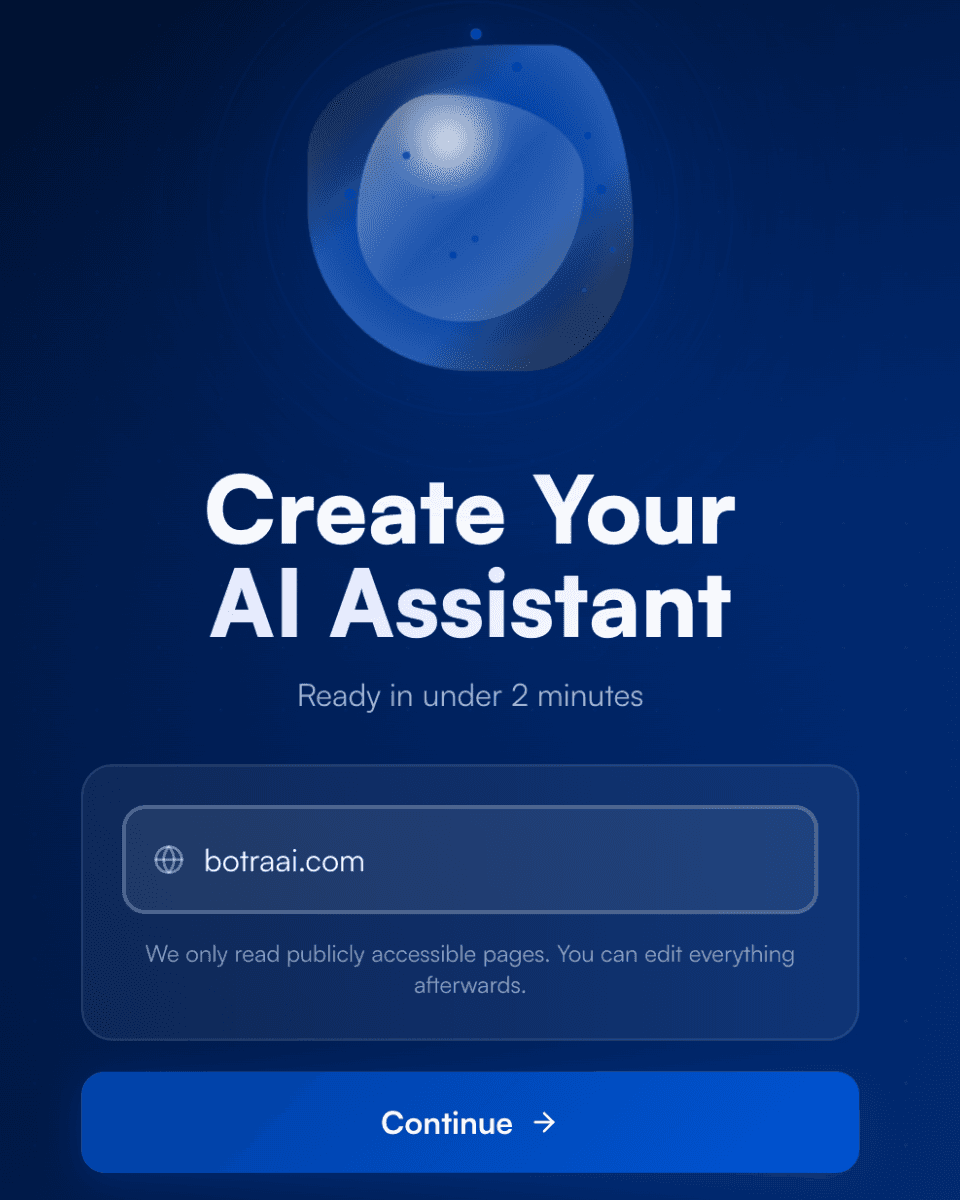
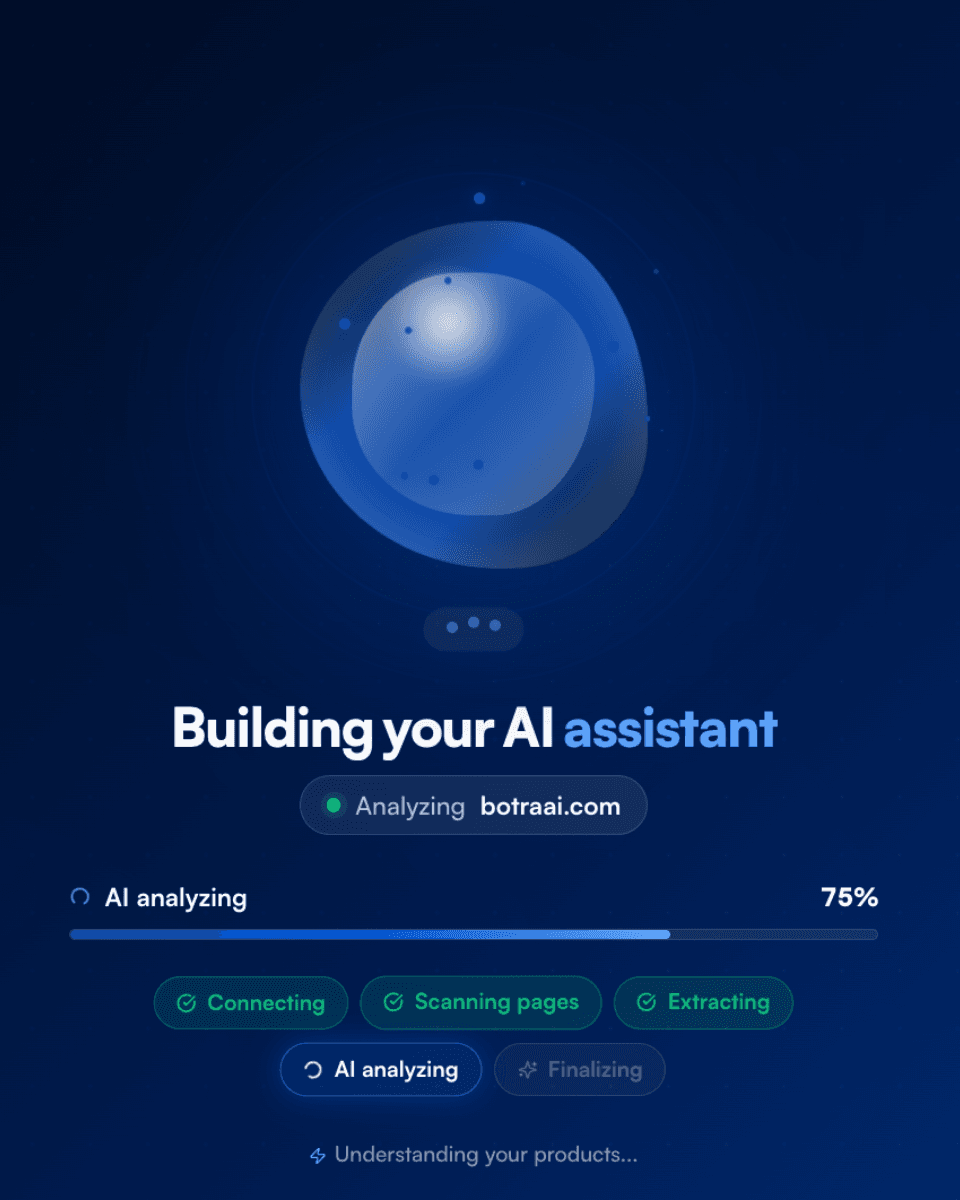
Paste your real estate website URL. The agent reads your listings, neighbourhood pages, FAQs and contact details, and is live in about two minutes. No developer, no change to how you work.
Showings land on your existing calendar. Qualified leads and full transcripts go to your CRM. You keep the relationship work — the negotiation, the advice, the closing — and stop losing the top of the funnel to the hours you cannot cover.
The realistic expectation
An AI agent will not sell a house. That takes trust, local knowledge and a person in the room, and it always will. What it will do is make sure the buyer browsing at midnight is talking to you rather than the next agent down, arrives at the showing already qualified, and has a time booked before they think to fill in anyone else's contact form.